Do These Expert Checks Before Buying a Home or Property
For Joel Bale*, buying a home was never just about owning property. It was about finding somewhere he could return to at the end of each day and feel settled.
The office administrator, who purchased his home a few years ago in Angels Estate, Spanish Town, said location was one of the first things he considered. He wanted a community that offered peace of mind — not one affected by crime, flooding or excessive noise.
“[I wanted] a community which is not plagued by crime and violence, somewhere which is not prone to flooding and noise,” he said, explaining that he wanted “peace of mind, especially when you come home from a day’s work.”
He also believes preparation made the difference. Before purchasing, he attended homebuying seminars hosted by real estate professionals so he could better identify red flags and avoid rushing into a decision.
“I was very strategic in my approach because buying a house is a big investment,” he said.
It is exactly the kind of mindset Kerry Scott, Head of Real Estate & Properties at JN Properties, encourages prospective homeowners to adopt. He said buyers should take time to assess a property’s condition, location and long-term value before signing an agreement.
“It’s easy to be impressed by fresh paint and stylish finishes; however, look beyond the surface for any underlying issues that may require significant repairs. Having a professional inspection done before you complete the purchase can help you avoid unexpected expenses later,” Mr Scott advises.
Begin by inspecting the building
Mr Scott says buyers should look for cracks in walls, ceilings and tiles; look for uneven surfaces and doors or windows that are difficult to open or close, as these may indicate movement in the structure.
The roof should also get careful attention. Missing or damaged shingles, sagging areas, water stains on ceilings or walls, and signs of previous leaks can all point to repairs that may be costly later. Where possible, buyers should ask about the age of the roof and whether recent repairs were done.
Location, location, location
Location, he adds, deserves the same level of attention. Buyers should learn as much as they can about the community and visit at different times- during the day, in the evening and on weekends- to get a better picture of the neighbourhood.
“The area can appear very quiet during the day but noisy on weekends,” he points out. “Take note of how well the community is maintained and find out whether the area has a history of flooding.”
Check plumbing and electrical wiring
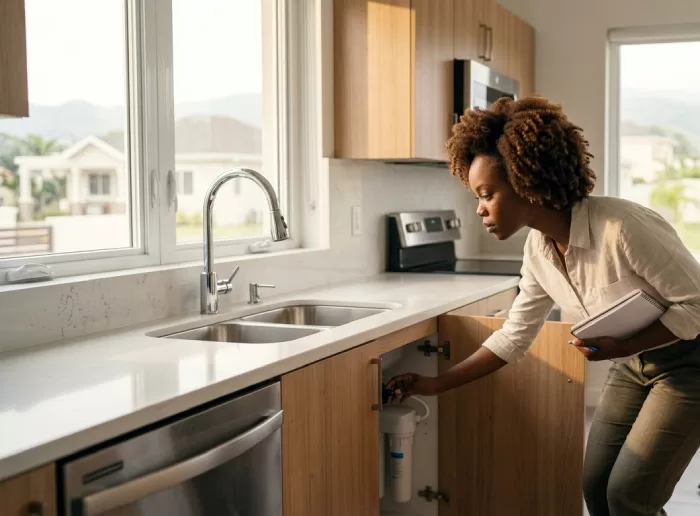
Inside the home, plumbing and electrical systems should not be overlooked. Mr Scott says buyers should check kitchens and bathrooms for leaking fixtures and look for mould or signs of previous water damage on walls and cabinets. In older homes, they should also confirm that wiring and breaker panels are in good condition.
Pay attention to the little things around the house
He says buyers should also think about how the home will function on daily basis. Storage, natural lighting, ventilation, parking and usable outdoor space all contribute to comfort after the excitement of the purchase has passed.
The yard can tell its own story. Standing water after rainfall, poor drainage, damaged fencing or limited privacy may affect the long-term enjoyment and value of the property. Drainage is especially important, as water that flows toward the house can contribute to flooding, erosion and foundation damage over time.
Read the fine print and do your due diligence
While the physical checks are important, Mr Scott emphasises that buyers should not ignore the paperwork. Before signing any agreement, they should ensure the title is clear, property taxes and maintenance (if it’s a strata development) are paid, and there are no liens on the title or outstanding legal matters involving the property. They should also confirm that additions or improvements were completed with the required planning approvals and building permits.
Finally, he urged prospective homeowners to budget beyond the purchase price. Insurance, maintenance, utilities, landscaping, pest control and other recurring costs can affect affordability long after the keys are handed over.
“Understanding these costs upfront helps you to make informed financial decisions,” Mr Scott advises.
For buyers like Mr Bale, that informed approach can make the journey less stressful and the decision more rewarding. A home may first catch the eye, but the real value is often found in the details that protect comfort, safety and peace of mind for years to come.
*Name changed.